

How to Check if an Under-Construction Property Is Truly Trustworthy
Buying an under-construction home often comes with excitement and a fair bit of uncertainty. Since you’re investing in something that isn’t fully built yet, it’s important to be extra careful. The good news is that you don’t need to be a legal expert to judge a project’s credibility. Paying attention to a few practical factors can help you make a smarter and safer decision.
1. Look Beyond Promises and Check the Construction Progress
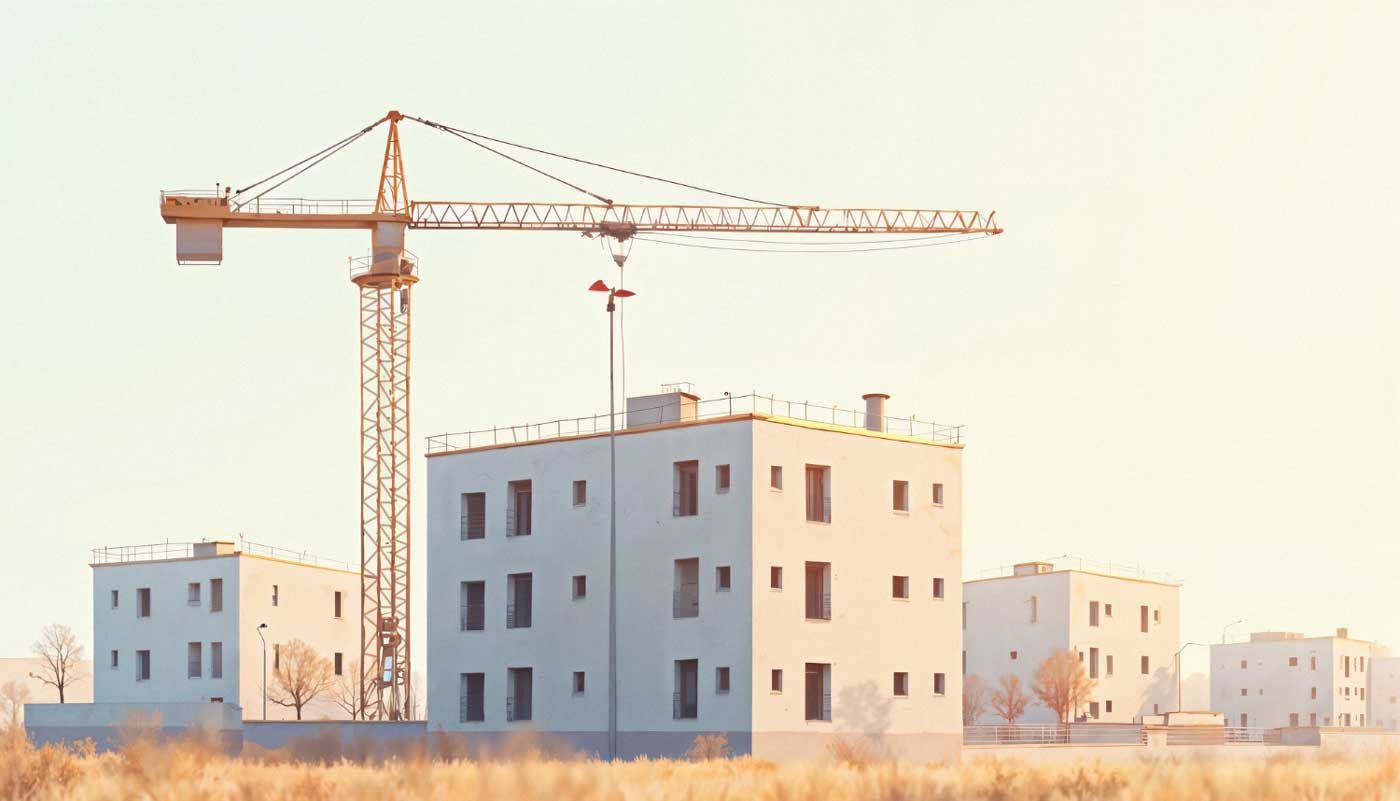
One of the easiest ways to gauge a project’s reliability is by seeing how far along the construction really is. Projects that have already moved past the initial stages usually come with more predictable timelines. For accurate updates, the RERA website is your best bet—it shows officially reported construction progress and expected completion dates.
2. Make Sure the Project Is Legally in Order
Legal checks may sound intimidating, but they are essential. A project with proper approvals protects you from future disputes and unexpected delays. Builders are required to share these documents if asked. Here’s why they matter:
RERA Registration: Confirms the project is recognized and regulated by authorities
Land Ownership Documents: Ensure the builder legally owns the land
Approved Building Plans: Show that the construction follows local laws
Commencement Certificate: Confirms that construction has official approval
Encumbrance Certificate: Proves the land isn’t tied up in loans or legal cases
NOCs from Authorities: Confirm compliance with environmental, fire, and safety norms
Sale Agreement: Clearly lays out payment terms, possession timelines, and buyer protections
These checks may take time, but they save you from major trouble later.
3. Research the Builder’s Reputation
A builder’s past work often speaks louder than marketing brochures. Look at earlier projects to see if they were delivered on time and whether buyers were satisfied. Repeated complaints about delays, quality issues, or poor after-sales service should raise red flags.
4. Visit the Builder’s Completed Projects
If possible, take a walk through the builder’s completed societies. Notice the quality of construction, finishing, and how well common areas are maintained. These details give you a realistic idea of what you can expect once your own home is handed over.
5. Study the Location and Its Future Potential
A good home isn’t just about the building—it’s also about what’s around it. Check how well the area is connected, the availability of schools, hospitals, public transport, and shopping zones. A well-located project tends to offer better resale value and rental demand over time.
6. Be Realistic About Promised Amenities
Amenities highlighted in promotional materials should be clearly documented in the official plans as well. Track whether facilities like parks, gyms, and clubhouses are actually being developed. If amenities seem over-promised or progress is slow, it’s worth asking questions.
7. Don’t Rely on Just One Source
No single check tells the full story. Combine RERA details, legal documents, site visits, and buyer reviews to form a balanced view. Even verifying a project through a couple of reliable sources can help you spot both the positives and potential concerns early on.
In simple terms:
A reliable under-construction project shows steady progress, follows legal rules, and is backed by a builder who has delivered before. A little homework today can go a long way in securing your investment tomorrow.